

N.K. Jemisin on Character
Straight from the Nebula Conference

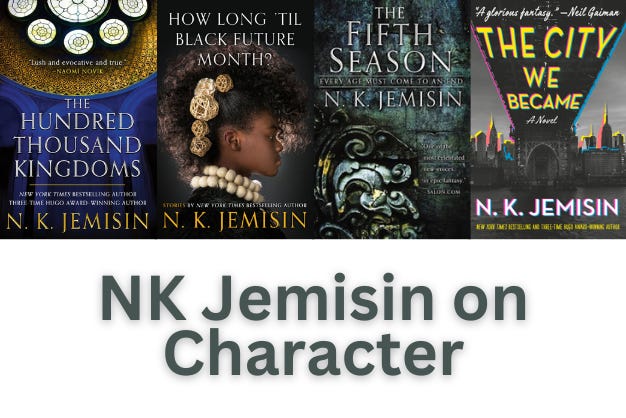
N. K. Jemisin is a fantasy author and 2020 MacArthur Fellow whose fiction has been recognized with multiple Hugo, Nebula, and Locus Awards. Most of her works have been optioned for television or film, and collectively her novels, including the Broken Earth trilogy, have sold over two million copies.
Her speculative works range widely in theme, though with repeated motifs: resistance and oppression, loneliness and belonging, and Wouldn’t It Be Cool If This One Ridiculous Thing Happened.
Here’s what she said on developing characters at the Nebula Conference.
Nebula Awards
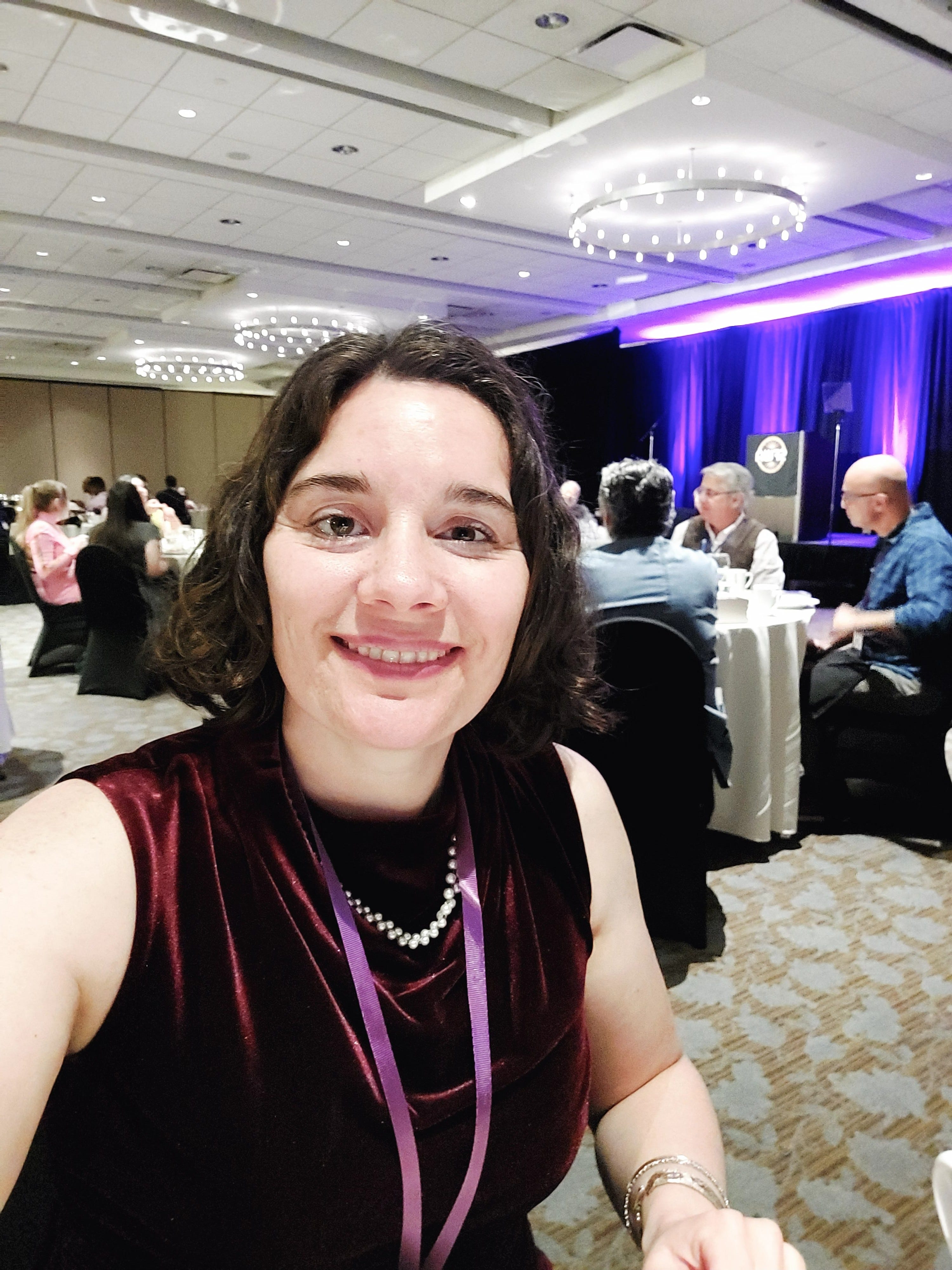
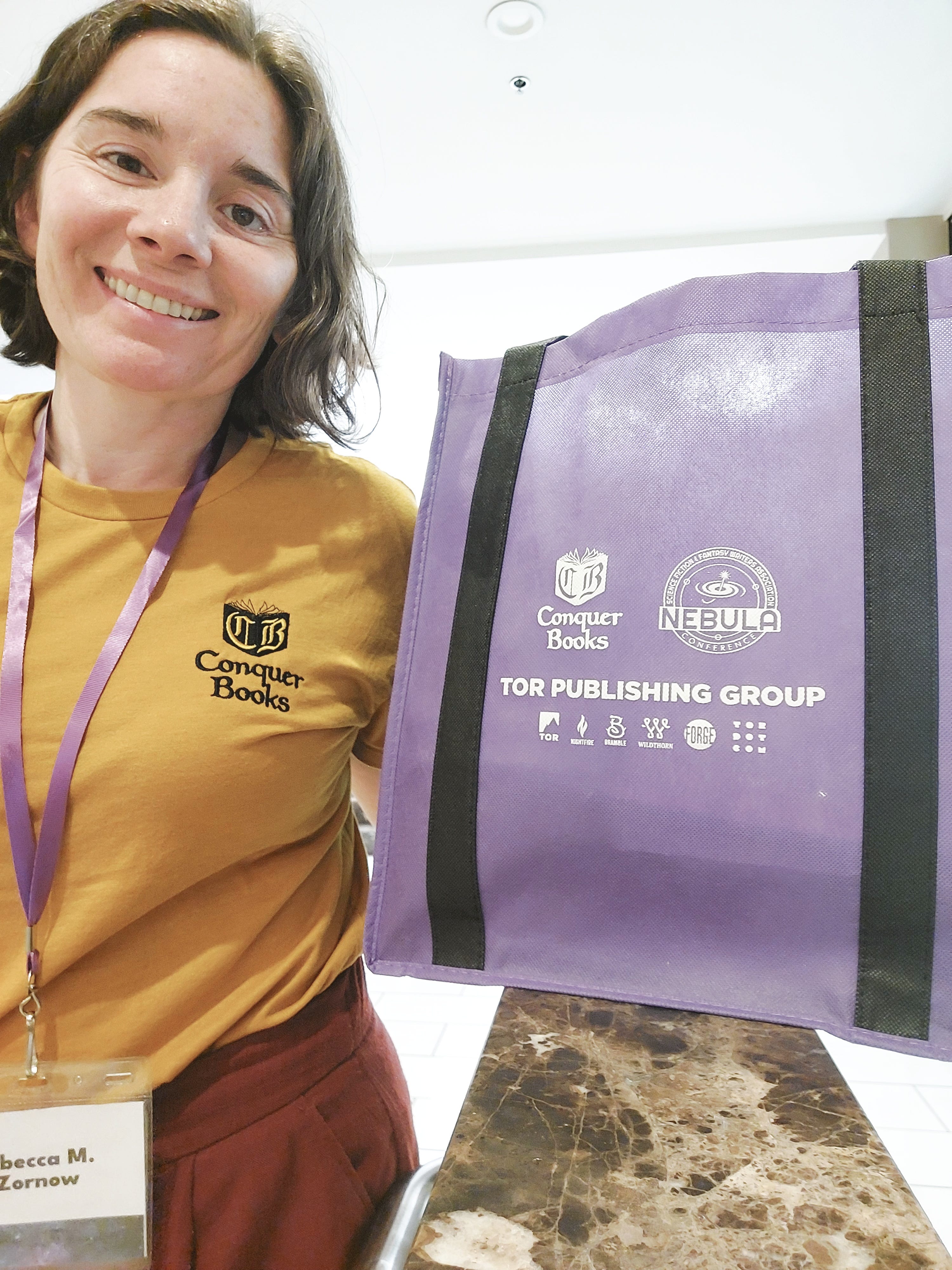
I spent four days at the Nebula Conference, an annual writing conference and awards ceremony hosted by the Science Fiction and Fantasy Writers Association.
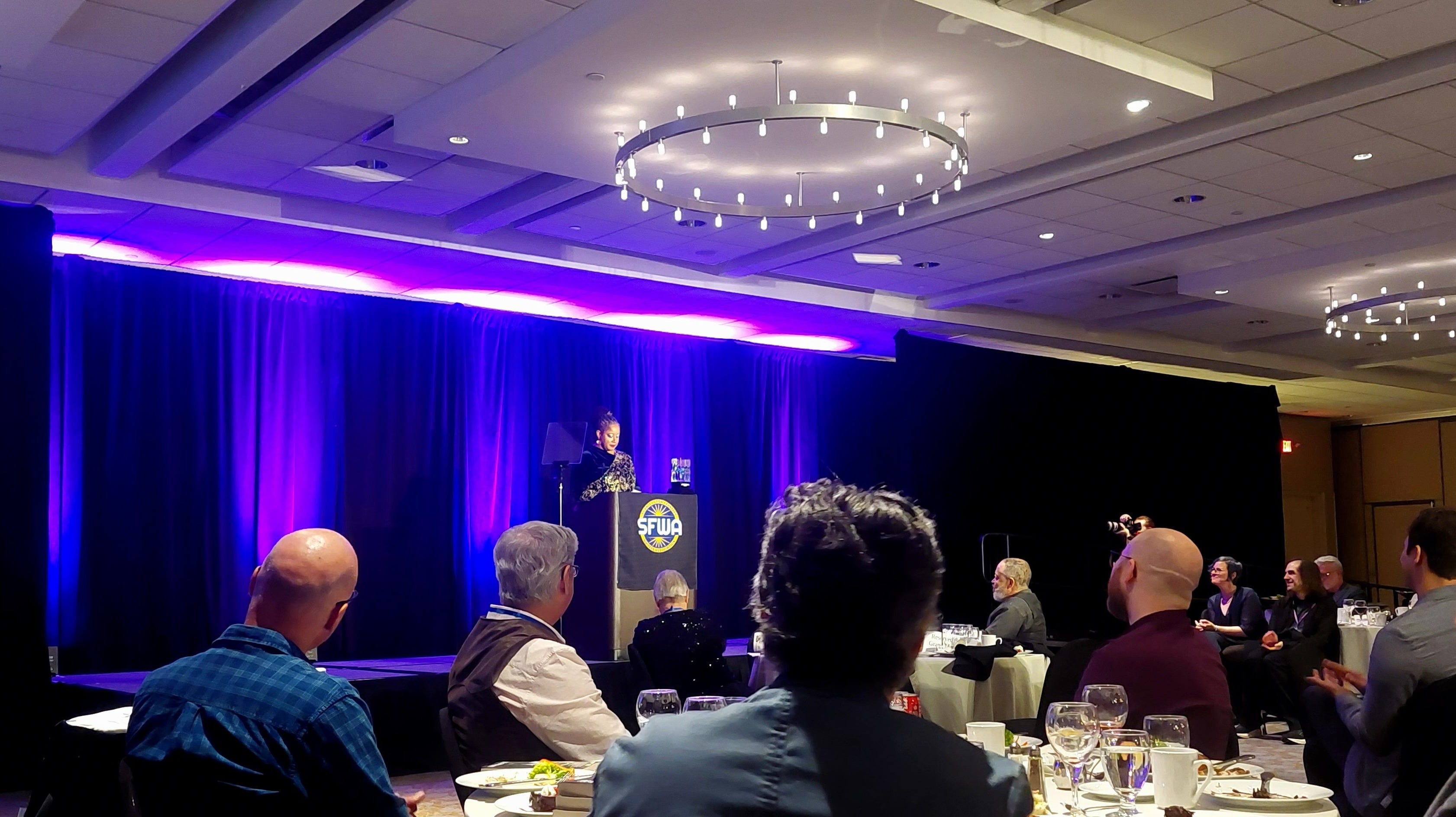
N.K. Jemisin was this year’s Grand Master and gave a talk on developing character as well as a fantastic, powerful speech at the awards ceremony.
Any writer can register for the Nebulas, but I highly recommend also joining SFWA because of the opportunity to learn from other writers and build community. Check out their requirements page so you know when it’s time to join.
As for the next Nebula Conference, meet you in Seattle in June 2027.
Character Development from N.K. Jemisin
At her craft talk, Jemisin said that, for her, character development and the intersection with plot follow a clear process:
A character comes to her. For The Fifth Season, it was a dream of a middle-aged woman so mad, she was going to throw a mountain.
Her worldbuilding supports the development of that initial character impression. She drives worldbuilding by asking what cultural and environmental factors would shape that kind of person.
Then she develops the character in full. She strives for complex characters with clear purpose in the story.
Finally, she builds the plot.
Jemisin’s philosophy is that the character must fit the world they exist in. That they are the way they are because of their specific environment.
She also said that if characters are getting along too well with the rest of the cast, they’re not deep enough. Conflict will come when characters are complex enough.
A client asked me about the above, whether successful character building will always result in negative conflict and strife between characters. That was a great question, something that’s come to mind often while I edit.
I thought of Ryland Grace and Rocky from Project Hail Mary. It’s not that the complexity of each led only to strife but that their particularities of culture, language, motive, and personality meant conflict would arise naturally. The problem of how they would communicate. How they would support each other while prioritizing their own people.
I was curious how other editors and authors approached this idea, and found an article by Mary Robinette Kowal who also presented a craft talk at the Nebulas. Writing Stable but Dynamic Characters reinforces the idea that even characters that like each other will come into conflict on specific issues.
All of this character complexity applies to villains too. Jemisin said writers should show enough depth in a villain to make them partly empathetic. She gave the example of Aislyn in The City We Became who represents Staten Island. Aislyn is sheltered and racist and while Jemisin did not seek to make her likable, she did want to show how Aislyn became that way.
Craft Talk Notes
Jemisin mentioned a few other tidbits about her writing process:
After she writes a draft, she takes a break while beta readers review her manuscript. One example of a break was spending a month playing a highly anticipated video game, which also motivates her to finish drafting.
When the idea is cold in her head, she goes into developmental edits. Editing is her favorite part.
She usually cuts the volume of the draft. If she can shorten a sentence, she does so because it increases impact.
The comments she receives from beta readers are not usually helpful in determining the fix, but in highlighting the problem. If several readers and editors comment on a certain character, she knows that’s a weak character and has to become more complex to work within the story.
She also makes an energy map of where readers were interested/unengaged so she knows what parts of the manuscript are working and not.
Jemisin admits she sometimes cackles while killing off characters!
If you’d like to hear more from N.K. Jemisin, you can watch her speech at the Nebula Awards here.