

Is Your Story High Concept?
The difference between high and low concept story ideas

You have a story idea.
Phew, that’s lucky. Otherwise you wouldn’t have been allowed in.
This may be a new idea or one that’s hung around for years. Outside of genre, one of the ways we classify ideas within the storytelling world is whether an idea is low or high concept.
Here’s how to tell which describes your book idea, and how to use those characteristics enhance the story.
High Concept
So, what is a high concept idea? To answer that question, let’s do one of our favorite things and look at some book covers.
“Enter the brutal and elite world of a war college for dragon riders...”
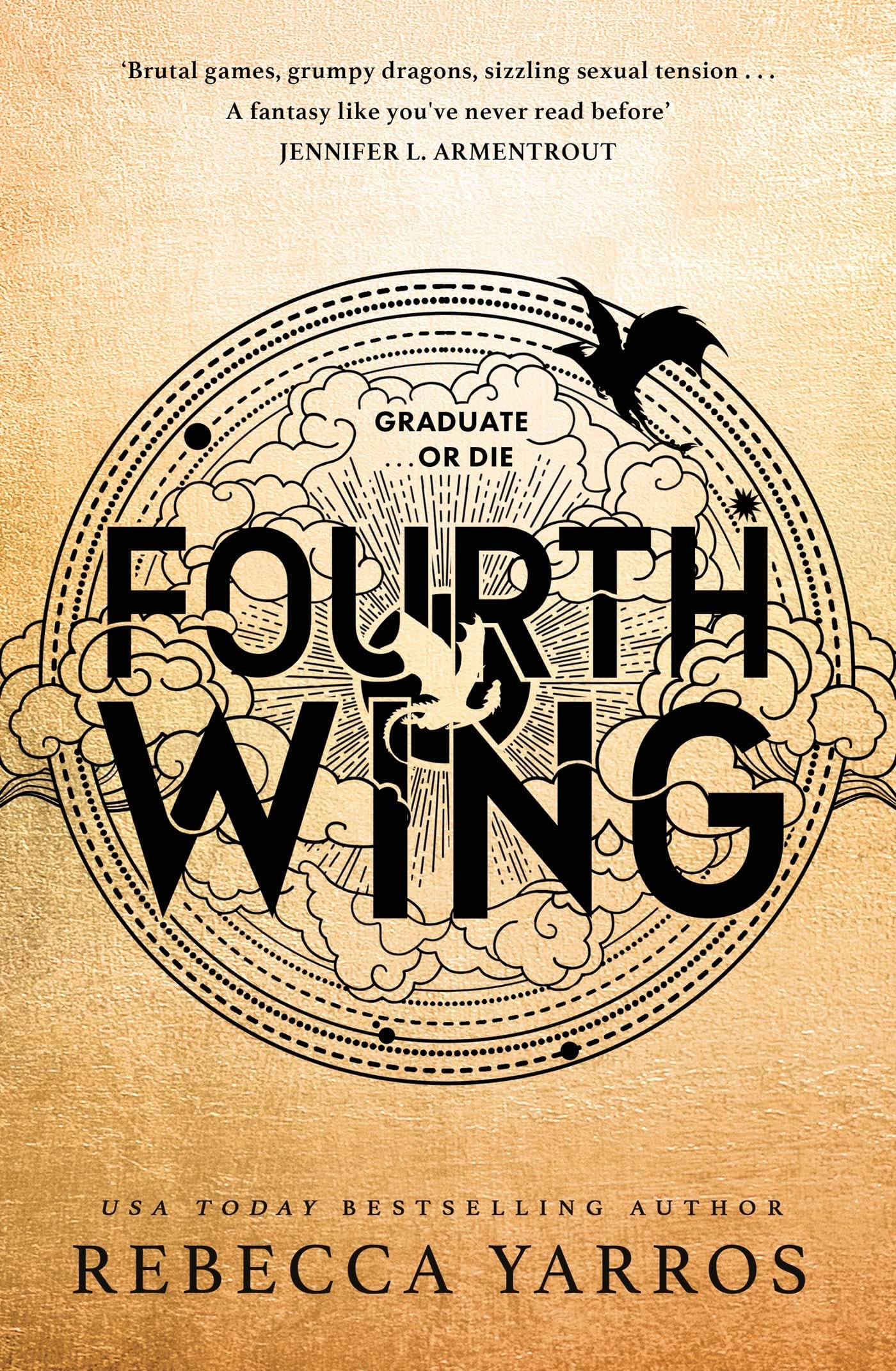
Do you see how quickly one can understand the concept of Fourth Wing? The idea is succinctly summarized by the tagline, and the cover of the book communicates simply with dragon icons and threat of “graduate or die.”
We don’t need to know the name of the character or her backstory to understand this is a fantasy novel set at an academy for dragon riders. You likely heard about this book from other readers or discussion about it online. High concept ideas benefit from word of mouth.
Another great example of a high concept story is Jurassic Park.
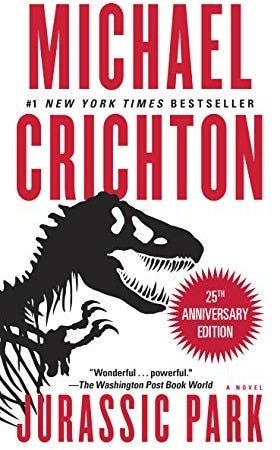
A theme park with dinosaurs. It doesn’t take many words to communicate the concept of this story and the cover design makes good use of this. A reanimated T-Rex skeleton conveys the premise in one simple black and white image.
We’re also going to look at low concept examples and qualities, but first we can summarize the nature of a high concept work:
